Bedding · Materials Guide
Wool Fill, Warmth, and Airflow: A Guide for Balanced Nights
Wool bedding has a quietly considered kind of comfort: insulating without feeling sealed in, tactile without being heavy, and at home in more than one season. The secret lies in the details—how the wool is prepared, how it sits inside the pillow, what fabric surrounds it, and how much care you are willing to give it.
Published October 30, 2026
There is an appealing simplicity to wool. It comes from a natural fiber with a long history in clothing and bedding, yet its performance is anything but one-note. Wool can hold warmth when a room turns cool, while its structure also allows air and moisture to move through the fill. That balance is why wool pillows and other wool bedding attract sleepers who want comfort that feels less dependent on the season.
Still, “wool-filled” is not a complete description. A pillow made with compacted batting may feel quite different from one filled with loose wool clusters. The cotton cover can add its own character, too: crisp percale has a different hand from smooth sateen. And while a fixed-fill pillow offers a set shape, an adjustable design gives you room to alter its height. The right choice comes from looking beyond the fiber name and considering how the whole object is constructed.
This guide explores wool fill, temperature regulation, breathable bedding, cover fabrics, adjustability, and wool care. The aim is not to declare one style superior, but to help you identify the qualities that are likely to suit your room, routine, and preferences.
Why wool feels different
Wool fibers have a naturally crimped structure. In a bedding fill, the resulting spaces can help create loft and allow some movement of air. Wool also absorbs moisture vapor, which contributes to its reputation for managing humidity around the sleeper. These qualities help explain why wool is often described as temperature-regulating: it can provide insulation without behaving like a dense, closed layer.
That phrase should be understood as a material characteristic, not a promise that a pillow will keep every person at an ideal temperature in every bedroom. Room conditions, sleepwear, bedding layers, personal preference, and the pillow’s construction all matter. Someone who runs warm may still prefer a light, low-loft pillow, while a person who likes a cushioned feel may welcome a fuller wool fill.
Wool can also feel less springy than latex and less billowy than down. Depending on the preparation, it may offer a softly yielding surface with a more grounded, steady quality. The best way to anticipate its feel is to examine the fill form, the amount of fill, whether the loft can be changed, and the firmness description—not simply the word “wool.”
Batting and knops: two ways to shape wool fill
Wool batting is a sheet or layered web of fibers. In a pillow, it can create a more continuous, even interior, with a flatter, more uniform hand than loose pieces. Depending on how much batting is used and how it is stitched or layered, the result may feel tailored and supportive, or soft and pillowy. Because the fibers are arranged in a more structured form, batting is not always as easy to adjust as loose fill.
Wool knops, sometimes called wool balls or wooly bolus, are small clusters of wool. Rather than forming one continuous layer, these clusters create a looser fill with spaces between them. That structure may feel more airy and pliable, and it can make it easier for the fill to shift as the head settles. Some pillows use knops to help maintain a fluffy, resilient feel, although the actual result depends on the cluster size, quantity, and casing.
These descriptions are useful starting points, not guarantees. A densely packed pillow of wool clusters may feel firmer than lightly filled batting, and a quilted batting layer can feel more sculpted than a loose fill. Consider asking whether the fill is fixed or removable, how the pillow is intended to be shaped, and whether the manufacturer recommends fluffing or airing it out.
If you prefer a smooth, consistent surface, a more structured wool fill may appeal. If you like a pillow that can be gently kneaded and redistributed, clusters may feel more accommodating. Neither format is inherently better; the question is which one feels natural to you and suits your preferred pillow height.
Cotton percale or cotton sateen?
The outer cover is not a finishing detail to overlook. It is the surface you touch night after night, and it influences the pillow’s texture, airflow, and overall impression. Cotton percale and cotton sateen are both familiar choices, but their different weave structures create distinct feels.
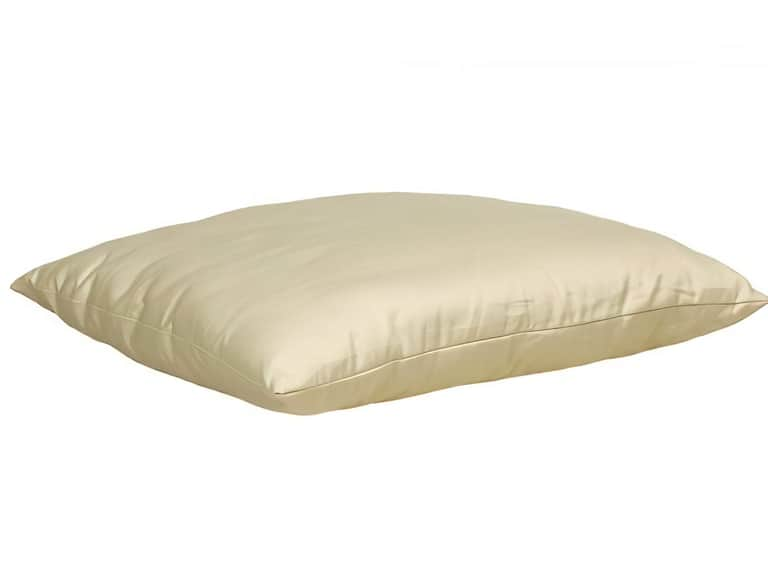
Percale is generally known for a crisp, matte hand. Its plain weave can feel fresh and light, especially to sleepers who prefer a less slippery surface. Sateen, made with a different weave arrangement, tends to feel smoother and more fluid, with a subtle sheen. Neither fabric alone determines whether a pillow will sleep cool; fiber quality, fabric weight, fill density, and room temperature also contribute. But the surface sensation may matter as much as the fill for someone who is particular about texture.
When comparing covers, look for clear information about fiber content and care. A removable, washable casing can make routine upkeep easier, but it is important to distinguish the casing from the inner wool insert. Some pillows allow the outer cover to be laundered while the fill is spot-clean only. Others advise avoiding water altogether for the core. A beautiful fabric is most practical when its care instructions match your household routine.
For a restrained, classic bedroom, percale can bring a crisp counterpoint to the softer look of wool. Sateen offers a more polished, smooth finish. If possible, consider fabric swatches or handle similar cotton weaves before choosing. The tactile difference is easier to understand in person than in a product description.
Fixed or adjustable: how much control do you want?
A fixed-fill pillow arrives with its loft and firmness set. That can be an advantage if you prefer a simple, ready-to-use design and are comfortable with the specified shape. It also avoids the small task of opening a casing and managing loose fill. Before choosing, check the dimensions, height, and any guidance about sleeping position. Two pillows in the same size can feel noticeably different if one is more densely filled or constructed in a different way.
An adjustable pillow gives you more control over loft. Some designs have a zippered inner core, allowing you to remove or add fill until the height feels closer to your preference. This can be useful when you are uncertain about the amount of fill you need or enjoy fine-tuning your pillow over time. But adjustability requires patience: changes are best made gradually, and spare wool should be stored cleanly and kept dry.
When adjusting a pillow, make a small change, close the casing securely, and try the pillow for several nights before changing it again. The first impression can be misleading, particularly if you are accustomed to a very different material. If the manufacturer cautions that filling can be messy, take that seriously and work in a contained, easy-to-clean area. Keep loose fiber away from drains, children, and pets, and follow the care instructions provided with the pillow.
There is no universal ideal loft. Side sleepers often prefer enough height to fill the space between shoulder and head, while back sleepers may seek a lower, more moderate profile. Body shape, mattress firmness, and how much the shoulder sinks into the bed affect that relationship. Stomach sleepers commonly prefer a flatter pillow, though individual comfort varies. These are practical considerations rather than rigid rules: comfort and a relaxed neck position are better guides than a label alone.
A wool pillow in a seasonal bedroom
Wool bedding can be useful in a home where temperatures shift through the year, but seasonal comfort is a layered decision. A breathable pillowcase, a lighter duvet, and room ventilation all have a role. In warmer months, a lighter cover and fewer insulating layers may matter more than changing the pillow itself. In winter, wool’s insulating character can feel especially welcome when paired with cotton bedding and a comfortable room temperature.
Think of a pillow as one component in a sleep environment rather than an independent climate-control solution. If you wake warm, first consider the entire bedding combination: duvet weight, mattress protector, sleepwear, room temperature, and airflow. If the pillow itself feels too full or dense, its fill amount and cover may be relevant. A well-chosen wool pillow can contribute to a balanced bed, but it cannot compensate for every source of heat or discomfort.
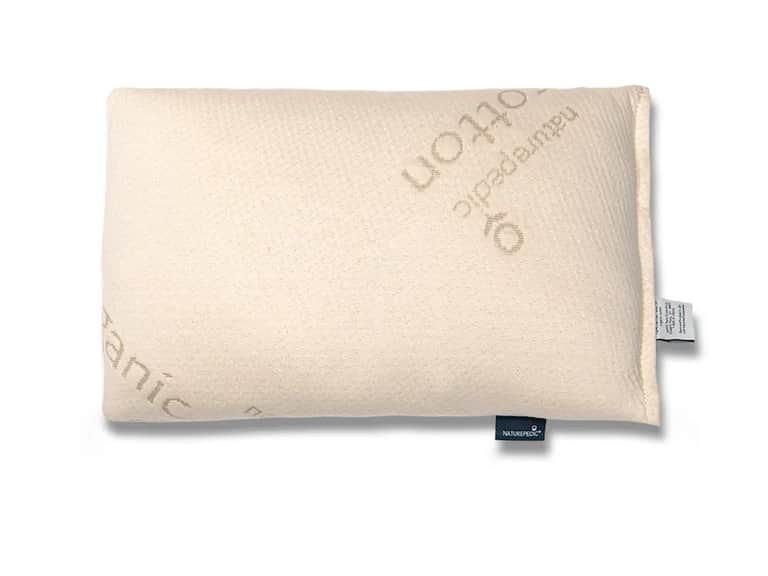
For those drawn to an organic-fiber bedding palette, the Sleep and Beyond MyMerino Organic Wool Pillow is a wool-filled option with a certified organic cotton cover. Its listed materials and temperature-regulating qualities make it a relevant example to consider when comparing wool pillows. Check the current product details and care guidance to confirm that its construction and maintenance suit your needs.
Read care instructions before you fall in love
Wool’s natural appeal comes with specific care considerations. The most important distinction is often between the washable outer casing and the wool insert. A removable cover may be machine washable, while the fill itself may need spot cleaning only. Treating the two as interchangeable can lead to shrinkage, distortion, or a pillow that no longer feels as intended.
Before purchase, look for explicit instructions on washing, drying, airing, and stain treatment. If the insert is spot-clean only, a pillow protector can reduce direct contact with perspiration, skin oils, and accidental spills. Wash the protector on its own schedule and follow its label. Regularly airing a pillow in a dry, shaded, well-ventilated place may help it feel fresher, but avoid direct heat or prolonged direct sunlight when the manufacturer advises against them.
For a small spot, use the method and cleaning product recommended by the maker. Avoid soaking wool unless the instructions specifically allow it. If a pillow has an adjustable fill, make sure the zipper is completely closed before routine use, and do not attempt to launder a loose insert unless the care label permits it. When in doubt, contact the manufacturer rather than improvising with a treatment that could damage the fibers.
Care routines are part of the purchase decision. A pillow that requires careful spot cleaning may be entirely manageable for someone who uses a protector and prefers low-intervention maintenance. It may be less appealing in a busy guest room or a home where frequent machine washing is a priority. The right choice is not simply the pillow that feels luxurious in theory, but the one you can maintain comfortably.
What to check on a label
Product language can be evocative, but useful comparison depends on specific details. When looking at wool bedding, take a moment to find the information that affects daily use:
- Fill form: Is the wool batting, loose fiber, knops, or another construction?
- Adjustability: Can fill be removed or added, or is the pillow’s loft fixed?
- Cover fabric: Is it cotton percale, sateen, or another weave, and is the casing removable?
- Dimensions: Does the pillow fit your pillowcase and bed setup?
- Care: Can the cover be washed? Is the insert spot-clean only, washable, or intended to be aired?
- Certifications: Which materials or stages are covered by any stated certification? Read the specific scope rather than assuming a claim applies to every component.
- Returns and warranty: What terms apply if the feel or fit is not right?
Clear specifications help separate meaningful construction details from broad promises. Claims such as “hypoallergenic,” “natural,” or “temperature regulating” can refer to different things depending on the product and its evidence. If you have a wool allergy, sensitive skin, or another health concern, consult an appropriate clinician and review the full material list rather than relying on a general marketing phrase.
A considered comparison, not a perfect pillow
Choosing wool fill is ultimately an exercise in editing. Start with the sensation you want: crisp or smooth, softly yielding or more structured, low-profile or generous. Then look at the wool’s form, cover weave, adjustment options, and care demands. This sequence can make a crowded bedding category feel more manageable, and it keeps the focus on how a pillow will actually live in your bedroom.
Wool offers a particular combination of insulation, loft, and moisture management, but it is not the only route to comfort. Some people prefer the buoyancy of latex, the airy softness of down, or the familiar ease of a different fiber. The point is not to choose a material because it sounds virtuous or fashionable. It is to understand its qualities and decide whether those qualities align with your own habits.
When a wool pillow is well matched to its sleeper, the appeal is often understated. It feels comfortable without demanding attention, works with the rhythm of the room, and invites a slower, more thoughtful approach to bedding. A few minutes spent comparing construction and care can make that quiet comfort easier to find.
The short list
- Wool’s structure can support insulation and airflow, while the finished feel depends on fill density and construction.
- Batting tends to create a more continuous fill; wool knops offer a looser, cluster-based structure.
- Percale and sateen bring different surface textures, so choose by feel as well as by fiber content.
- Adjustable fill offers flexibility, while fixed fill keeps the design simple and ready to use.
- Check whether the casing and insert have different care instructions, and use a protector when appropriate.
Balanced nights begin with a pillow that feels right for your body and your routine. Read the details, respect the care label, and let comfort—not a single material claim—make the final decision.