Seasonal Soil Health to Sustainable Sleep: A Practical Guide for Beginner Farmers
A Vogue-inspired exploration of how seasonal farming tasks and sustainable practices intersect with everyday home comfort. From soil health to serene living, this article guides the beginner farmer through practical steps, with stylish, non-commercial insights that turn chores into a cultivated lifestyle.
Seasonal Farming as a Fashionable Routine
Seasonal rhythms are the backbone of any successful homestead. They shape what you plant, how you fertilize, when you irrigate, and even how you design a home environment that supports your growing life. In this guide, we translate agrarian cycles into a calendar of approachable, repeatable tasks that anyone—whether you’re tending a balcony garden or a small plot—can adapt. The aim is not perfection, but consistency: build soil health, nurture biodiversity, and weave sustainable practices into the fabric of daily life that also nurtures your sleep and wellness.
Soil Health: The First Act
Healthy soil is the stage on which your entire season will perform. Begin with a simple soil test to understand pH and nutrient balance. The goal is to create a hospitable microbe world in your dirt—your most faithful ally in the process of seasonal food, and in the quiet rituals of your homestead life.
- Test pH and major nutrients twice a year (early spring and late fall).
- Incorporate compost from kitchen scraps and yard waste to boost organic matter.
- Use cover crops in off-season to protect soil, suppress weeds, and feed soil biology.
Analogies for home comfort: think of soil organic matter as the memory foam of your garden—slow to degrade, warming the bed for plant roots and microbial life.
Seasonal Quick Explainers
Plain-language explanations make soil science accessible. Here are bite-sized analogies you can carry to the field and into the living room.
- pH: Like the balance of acidity in your kitchen—enough to bring out flavors, not to overwhelm.
- Organic matter: The pantry of soil life—holds water, feeds microbes, and builds resilience.
- Microbes: Tiny workers that break down organic material into plant-friendly nutrients, much as a well-tuned household routine sustains your day.
Tip: Keep a small, non-technical soil notebook. Record colors, textures, and what you see after rain—your own field diary that informs future seasons.
From Soil to Sleep: Home Comfort as a Garden Companion
The brand thread of FarmToPillow aligns soil stewardship with a lifestyle that celebrates comfort. The concept is simple: when your land thrives, your home life follows—sleep, rest, and daily routine become more restorative. This section blends practical homestead chores with cocooning home ideas that nurture both land and body.
Compost as a Comfort Ritual
Composting is a quiet, repeated act that pays back in soil vitality and a cleaner kitchen. A balanced compost pile or tumbler becomes a daily ritual, much like winding down with a soothing book before bed. The returns—nutrients, moisture retention, reduced waste—are felt in the garden and the home alike.
- Maintain a balance of “greens” and “browns” to keep the pile aerobic and odor-free.
- Turn or mist when the weather shifts; the process is forgiving and forgivingly slow.
- Use finished compost to feed beds before planting, ensuring a robust start for spring and summer crops.
Sleep-Ready Bedding from Rural Materials
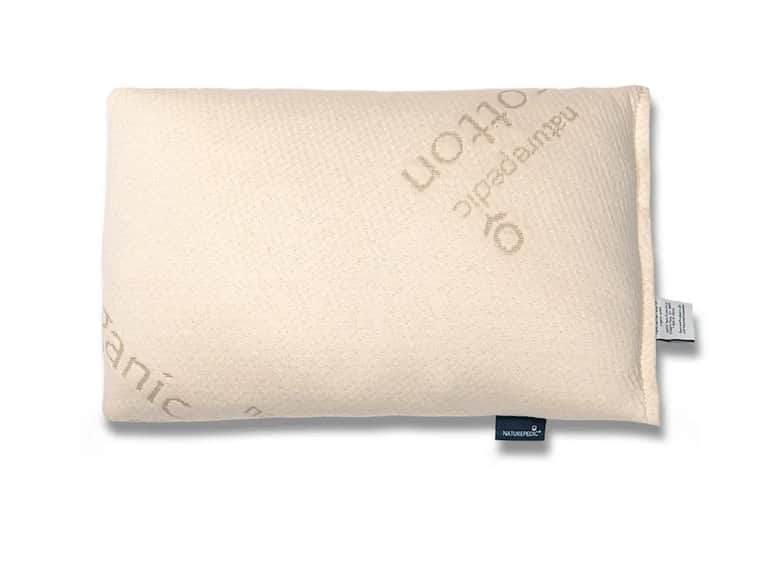
A rustic, yet refined aesthetic—pillow softness and breathable fabrics—echoes the garden’s natural rhythms. Emphasize organic cotton or wool-filled cushions and slumber-savvy textures to create a restful sanctuary that mirrors the farm’s slow, intentional pace.
- Choose breathable, toxin-free fabrics for pillow casings and bedding.
- Use natural fills (wool, Kapok, or organic latex) to regulate temperature through the night.
- Pair with low-maintenance, washable textiles for a practical, luxe生活 vibe.
Three Key Figures in the Story of Soil, Seeds, and Sleep
From different eras, these figures illuminate the thread between land stewardship and everyday comfort. Their philosophies travel across time, shaping our approach to seasonality, sustainability, and a slower, more luxurious life.
1) George Washington Carver (c. 1864–1943)
A scientist and agrarian reformer who taught the world how to reinvigorate tired soils. Carver’s crop rotations, soil-improving techniques, and emphasis on sustainable farming remain deeply relevant to soil health today. His insight into the biological life of soil—microbes, nutrients, and the careful balance of legumes—offers timeless lessons for beginners who want to build fertile ground for crops and for a garden’s beneficial ecosystem.
Key takeaway: Intercrop and rotate to maintain soil vitality; celebrate the soil’s unseen workers.
2) Vita Sackville-West (1892–1962)
A poet and gardener who championed the garden as a living aesthetic. Sackville-West’s sensibility for the intimate design of space—how plants, paths, and seating create a mood—parallels the Vogue-like care we give to our sleep environment. Her philosophy that a garden is both art and daily practice informs a lifestyle where sustainability and beauty coexist in daily rituals—an ideal for a farm-to-pillow narrative.
Key takeaway: Create spaces that balance beauty and function; comfort is built season by season.
3) Dr. Ruth L. Smith (b. 1960s)
A contemporary voice in community health and sustainable living, Dr. Smith emphasizes the link between environmental stewardship and personal well-being. Her work connects soil health with human health, making the case that soil stewardship, mindful farming, and a soothing home environment are part of a holistic lifestyle. For beginners, her approach translates into practical, accessible steps—starting with soil, and ending with a peaceful, sleep-conducive home atmosphere.
Key takeaway: Health begins underground; nurture soil, then curate a calm, comfortable home.
A Practical 90-Day Path to Seasonal Soil Health and Sustainable Sleep
A starter plan that ties soil health to home comfort, keeping things non-commercial and educational, aligned with Direction B: Rural Living and Farm-to-Home Education. Each week, you’ll complete a small set of tasks, while gradually building a knowledge base that enriches both your land and your nightly rest.
- Weeks 1–2: Establish Baseline
- Conduct a basic soil test and record the results in your soil notebook.
- Start a simple compost system and observe what decomposes fastest.
- Weeks 3–4: Build Organic Matter
- Apply finished compost to beds; monitor plant response.
- Plant cover crops in off-season if applicable to your climate.
- Weeks 5–8: Expand Knowledge
- Read a beginner-friendly soil health explainer and annotate terms.
- Experiment with mulching and water-conservation techniques; track results.
- Weeks 9–12: Translate to Sleep
- Evaluate home textiles for breathability and toxin-free materials.
- Curate a calming sleep environment that echoes your garden’s rhythms (soft textures, earth tones, natural fibers).
A Cozy Farm-to-Sleep Product Moment
To illustrate a practical example of the connection between soil and sleep, consider a tangible, cozy item from the curated bedding and textile sphere: Downtown Granny Blankets and Throws by Downtown Company. Crafted from 100% long-staple cotton, these blankets embody timeless comfort and sustainable craftsmanship. They bring softness, warmth, and a lived-in elegance that mirrors the season’s soil cycles—layered, breathable, and durable. This piece, while non-commercial in spirit here, symbolizes the tactile joy of slow living: textile as a feeling, not just a product.
Downtown Granny Blankets and Throws — Downton-inspired warmth
Featured Item
Downtown Granny Blankets and Throw, 50" x 70" Throw, White
Price: $96.00
Note: This is a narrative product reference to illustrate mood and lifestyle alignment; availability may vary by retailer.
Pillar Pages and Resource Roundups for Your Journey
To support ongoing learning, the site would feature pillar pages that consolidate knowledge and provide internal links to practical articles. Topics include Soil Health 101, Seasonal Farm Tasks, and Sustainable Farming Practices. In addition, resource roundups would guide readers toward non-commercial, educational tools—glossaries, checklists, and templates they can download for free.
Soil Health 101
Foundations of soil science made approachable for beginners, with simple tests, amendments, and practical timelines.
Seasonal Farm Tasks
A calendar of tasks tailored to climate and scale, emphasizing resilience and minimal stress.
Sustainable Practices
Ethical sourcing, water conservation, and biodiversity strategies that complement home living.
Product Spotlight: A Cozy, Sustainable Addition
Downtown Granny Blankets and Throws
A tactile celebration of craft and sustainability, these throws are woven with care in Portugal from 100% long-staple cotton. The soft fringe and refined binding details create a timeless, versatile layer for beds, sofas, or favorite chairs.
- Soft, breathable cotton with a classic silhouette.
- Low-impact dyes and durable construction.
- Machine washable for everyday ease.
Dimensions and variants: Throw 50" x 70", available in White, Ecru, Gray, Green.
View Product
Aesthetic and Function: Sleep-Forward Comfort
This section ties the product’s tactile warmth to the broader theme: comfort as a lifestyle that naturally supports restful sleep. The halo around the blanket echoes the season’s mood, a reminder that home and land are in conversation.
Featured Mood
Editorial note: This article weaves a Vogue-inspired sensibility with practical, beginner-friendly farming and home living guidance. It reflects a non-commercial, educational approach to cultivating soil health while cultivating a sense of place and rest.